
National Housing Day 2026: Reimagining Housing Through Partnerships, Innovation and Action
 July 17, 2026 10:00 am - November 25, 2026 6:00 pm
 Conference
July 17, 2026 10:00 am - November 25, 2026 6:00 pm
Conference
Conference
July 17, 2026 10:00 am - November 25, 2026 6:00 pm
Conference
Join the Rural Development Network (RDN) for a full-day virtual conference in recognition of National Housing Day 2026, bringing together housing leaders, researchers, practitioners, policymakers, and community organizations from across Canada.
This engaging event will spotlight the people, ideas, and innovations shaping the future of housing. Through presentations, panel discussions, and case studies, attendees will explore topics including:
Together, these discussions will highlight bold policies, creative approaches, and practical solutions advancing affordable, inclusive, and sustainable housing across urban, rural, remote, and Indigenous communities.
Whether you’re working in housing, community development, government, research, or the non-profit sector, this conference offers a valuable opportunity to learn from leading voices, discover innovative solutions, and connect with others committed to strengthening housing systems across Canada.
Tap a speaker’s session button below to see what they’re presenting.

Rural Land Use Planner, Rural Ontario Institute (ROI)

Analyst, Rural Ontario Institute (ROI)
Session
Transforming Multi-Dwelling Zoning in Rural Ontario
The Rural Ontario Institute (ROI) is a charitable organization that delivers programs that develop strong leaders who are critical voices around opportunities and key issues facing the agriculture sector, rural and northern Ontario. To support its vision of thriving, vibrant communities, ROI develops, informs, and connects rural and ag-sector leaders through programs, events, data analysis, and knowledge sharing tools.
In 2022, in partnership and with funds from the CMHC Housing Supply Challenge, ROI developed the Rural Housing Information System (RHIS) — a locally driven tool supporting municipalities, developers, and homebuilders in the planning and development of affordable housing. The RHIS aims to support not-for-profit builders in overcoming information barriers regarding housing in rural communities.
The data-driven, outcomes-focused solution harnesses data in an automated and easy-to-use dashboard, including:
The RHIS housing tool was piloted in Eastern Ontario and grew to Western and Northern Ontario with the support of the Province and FedNor. This session reviews observations from centralizing housing data and the significant changes taking place in affordable housing across rural Ontario.
Learn more at ruralontariohousing.ca.
Business Development Manager, ATCO
Session
Modern Methods of Construction (MMC) – Volumetric Modular
As communities across Canada work to address persistent housing shortages, modern methods of construction (MMC) are increasingly being adopted as a practical and scalable approach to delivering housing faster and with greater predictability. This presentation explores modular building as a modern construction methodology, drawing on ATCO’s modular housing catalogue as a design and delivery framework that supports efficient, repeatable, and adaptable multi-residential housing solutions across diverse community contexts.
The session begins with a “Modular 101” overview, outlining what modular construction is, how it differs from traditional and other prefabricated approaches, and why it is gaining momentum within progressive housing policies. Modular construction leverages factory-built modules that are fully finished off-site and assembled on-site, enabling concurrent site work and building fabrication. This approach improves quality control, reduces construction risk, and shortens overall delivery timelines compared to conventional construction methods, with typical modular project schedules demonstrating significant time savings by allowing manufacturing and site preparation to proceed in parallel.
A central focus of the presentation is the importance of early-stage planning and design coordination. Using the ATCO modular housing catalogue as a case study, the session highlights how pre-planned building systems, standardized modules, and flexible design guidelines can streamline decision-making while still allowing projects to respond to site conditions, municipal bylaws, and community needs. The catalogue approach supports multiple building configurations, suite mixes, accessibility requirements, and architectural expressions, offering a balance between repeatability and contextual responsiveness.
The presentation also explores the practical benefits of modular construction, including reduced on-site labour requirements, improved safety through factory-based production, enhanced durability, and greater cost certainty. By minimizing weather exposure and construction variability, modular buildings achieve consistent quality and long-term performance, supporting both market and non-market housing delivery models.
Social impact and demographic considerations are embedded throughout the session. Modular systems are well-suited to housing initiatives serving newcomers, families, and individuals transitioning out of vulnerable housing situations. The catalogue-supported designs include accessible and adaptable suites that enable aging in place and inclusive community living, while the speed of delivery supports faster occupancy and reduced displacement pressures.
By sharing practical lessons from modular design, delivery, and implementation, this session provides housing providers, municipalities, Indigenous organizations, and community partners with actionable insights into how modular building can support affordable, inclusive, and sustainable housing solutions across urban, rural, remote, and Indigenous communities in Canada.
CEO, Housing Hub
Session
How an Affordable Rent-to-Own Pilot is transforming rural communities
The Rural Workforce Rent-to-Own Program is transforming rural communities across New Brunswick by creating a practical and affordable pathway to homeownership while helping employers attract and retain the workforce they need.
In many rural regions, housing shortages have become a barrier to economic growth. Employers struggle to recruit workers because housing options are limited, while many working families face rising home prices and challenges saving for a down payment. This program addresses both challenges at once.
Through this model, newly built homes are made available to local workers who rent the property while gradually working toward ownership. Monthly payments are structured so that housing costs do not exceed 30% of a household’s gross income, ensuring the program remains truly affordable. A portion of each payment contributes toward a future down payment, allowing families to build equity over time while living in a stable home.
For communities, the impact is significant — strengthening local labour markets, supporting economic development, and increasing the supply of quality housing in areas that have historically lacked new development.
Founder and President, EkoBUILT
Session
Defying the Odds: Achieving Passive House Standards in Challenging Conditions Across North America
This presentation highlights the adaptability of Passive House design, showcasing how homes across the U.S. and Canada can meet Passive House criteria even in challenging conditions like incorrect orientations, shaded locations, seismic zones, and extreme climates. By focusing on design modifications rather than limitations, this session explores how Passive Houses are crafted to conserve energy rather than consume it — proving their feasibility across all landscapes.
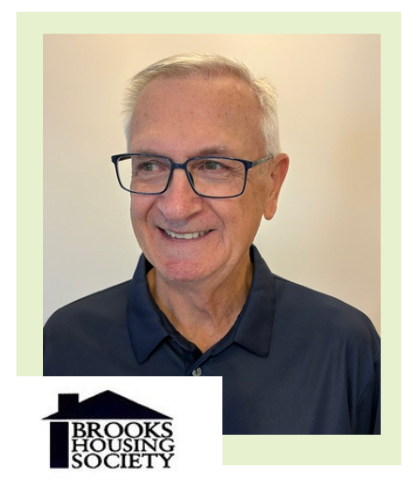
Director, Brooks Housing Society
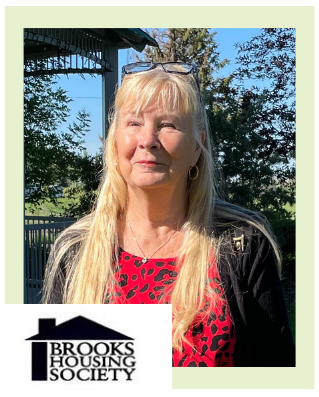
Property Manager, Brooks Housing Society
Session
It is possible …
Brooks Housing Society (brookshousingsociety.ca) is a not-for-profit organization, located in Brooks, Alberta, providing 100% affordable rentals, comprised of 87 units (in a mix of 1 bedroom, 2 bedroom, and 3 bedroom), providing safe, quality housing for approximately 240 individuals.
The current building complex is a mix of townhomes and 8-plexes, known locally as Prairie Village, and is located at 235 Meadow Lake Way in Brooks, Alberta.
Brooks Housing Society operates a sustainable business model, employing a full-time Property Manager, paying full property taxes, maintaining a regular annual capital replacement program, and contributing annually to a Reserve Fund — based entirely on an affordable rental rate basis. Brooks Housing Society carries no existing mortgage(s) and is 100% debt-free, all with no ongoing outside or additional external funding support.
Units are offered to low- and modest-income households at current (2026) rental rates:
Rental rates at Brooks Housing Society are guided by Income Threshold Levels published annually by the Community Housing Program in the Alberta Assisted Living and Senior Services Ministry. Eligibility is based on household income using CRA previous-year income.
All families and individuals’ needs are considered, including those facing housing insecurity, seniors, individuals with disabilities, and those fleeing domestic violence. Tenants are transitioned out of affordable housing units once income surpasses threshold levels.

Knowledge Mobilization Specialist – Innovation Programs, CMHC
Session
From Insight to Impact: CMHC’s Expert Community on Housing — Connecting Canada’s Housing Leaders
Designed to increase collaboration, contribute to the development of housing solutions, and expand beyond the traditional network of housing partnerships, CMHC’s Expert Community on Housing (ECoH) has brought together professionals from across the country to exchange insights, highlight best practices, and explore innovative solutions to support a more affordable, resilient, and inclusive housing system since November 2018 as part of the National Housing Strategy.
Join us to learn more about how ECoH, and its over 3,000 members, have fostered dialogue among housing practitioners, policymakers, researchers, and industry leaders, and discover how you can engage with the community, contribute your expertise, and benefit from shared knowledge that is helping shape the future of housing in Canada.
Expert Community on Housing (ECoH)
ECoH is a diverse, collaborative community working together to scale housing solutions, with leaders
and collaborators from both inside and outside the housing sector.
ECoH is a community where you can:
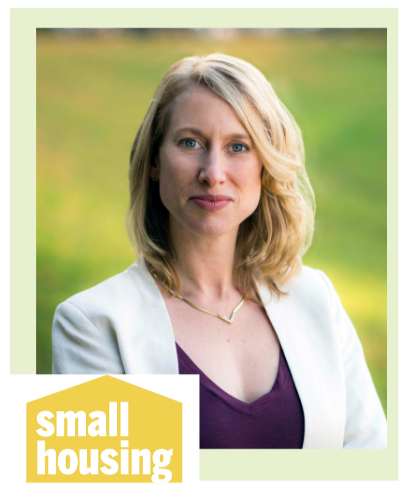
Co-Executive Lead, Planning Innovation, Small Housing
Session
Lessons Learned from BC – A Systems-Based Approach to Enabling Gentle Density Housing
Across Canada, communities are grappling with how to increase housing supply while maintaining affordability, livability, and public trust. British Columbia has become a testing ground for a systems-based approach to housing delivery, aligning policy reform, regulatory modernization, local government capacity building, and industry transformation across urban, rural, and First Nations contexts.
This session shares key lessons from BC’s experience enabling “gentle density housing” — secondary suites, laneway homes, duplexes, multiplexes, and infill townhomes that add more homes to existing neighbourhoods while maintaining their residential character, offering a pathway to greater housing supply, diversity, and affordability.
The session covers three core areas of transformation:
Drawing on practice-based insights from across BC, the session highlights what’s working, where challenges remain, and what other jurisdictions can learn — with particular attention to systems thinking, recognizing that housing outcomes are shaped by the interaction of policies, institutions, and market actors across scales.
Housing Needs for Priority Groups
Tap below to see the full panel session details.

Housing Coordinator, Autism Edmonton
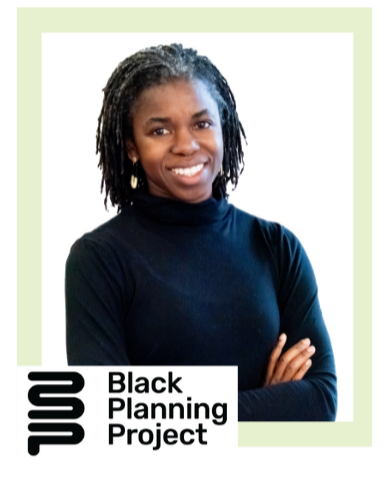
Founder and Executive Director, Black Planning Project
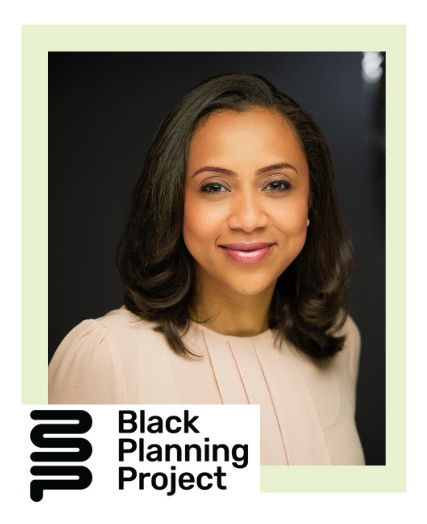
Senior Manager, Planning & Research, Black Planning Project
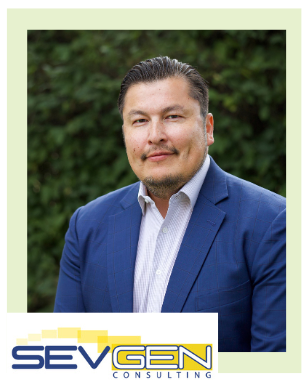
Managing Partner, Founder, SevGen Consulting
Session
Housing Needs for Priority Groups
As part of the conference theme, Reimagining Housing Through Partnerships, Innovation and Action, this panel brings together community leaders and organizations with expertise in advancing housing solutions for Canada’s National Housing Strategy priority groups. Panelists will share perspectives on the diverse housing experiences, priorities, and aspirations of Indigenous Peoples, Black communities, 2SLGBTQ+ communities, and autistic people and their families. The discussion will explore how partnerships, innovation, and community-informed approaches can help create more inclusive, accessible, and equitable housing systems that better respond to the needs of diverse communities.
We’ve prepared a ready‑to‑share letter with your supervisor to help you outline the value of this virtual conference Click here
General Admission $100.00 + Eventbrite Fees
Bundle Package — Affordable Housing Course & Conference $399.00 + Eventbrite Fees
Student Admission (10 free spots available, sponsored by Alberta Real Estate Foundation (AREF). Fill out our student form to receive a free registration code.*
*Thanks to the generous support of AREF a limited number of free student registrations are available. To request one, please complete this short student form once verified, we’ll email you a registration code to use at checkout. Codes are issued first-come, first-served while supplies last.




11443-143 Street,
NW Edmonton,
Alberta T5M 1V7